A Guide to Choosing the Perfect Stainless Steel Sink Bench for Your Kitchen
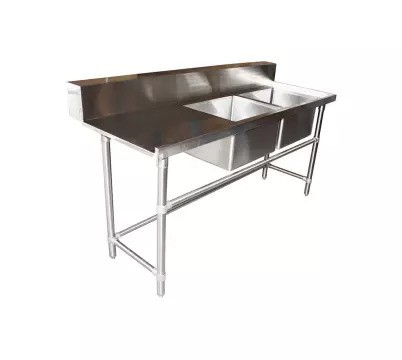
When it comes to outfitting your kitchen, few decisions are as crucial as selecting the right sink bench. Not only does it serve as a functional workspace, but it also contributes to the overall aesthetic appeal of your kitchen. Among the plethora of options available, stainless steel sink benches stand out for their durability, versatility, and timeless design. However, choosing the perfect stainless steel sink bench at Brayco NZ requires careful consideration of various factors to ensure it meets your needs and complements your kitchen space. Here's a comprehensive guide to help you make an informed decision:
Size and Configuration
Begin by assessing the size and layout of your kitchen. Measure the available space where you intend to install the sink bench. Consider factors such as the size of your sink, the number of bowls you require, and any additional features like draining boards or integrated storage compartments. Opt for a configuration that maximizes functionality without overcrowding the area.
Gauge of Stainless Steel
Stainless steel sink benches come in different thicknesses, known as gauges. The gauge determines the sturdiness and durability of the bench. Lower gauge numbers indicate thicker steel, which is more resistant to dents and dings. For a heavy-duty sink bench that can withstand daily use and maintain its appearance over time, opt for a lower gauge, preferably 16 or 18.
Type of Stainless Steel
Not all stainless steel is created equal. Look for sink benches made from high-quality stainless steel, such as 304-grade stainless steel. This type of stainless steel is corrosion-resistant, easy to clean, and offers excellent durability, making it ideal for kitchen environments where hygiene is paramount.
Finish and Design
Stainless steel sink benches are available in various finishes, including brushed, polished, and satin. Choose a finish that complements your kitchen decor and aligns with your personal preferences. Additionally, consider the design elements such as rounded corners for easy cleaning, soundproofing pads to minimize noise, and sloped bottoms for efficient drainage.
Undermount or Drop-In Installation: Decide whether you prefer an undermount or drop-in sink bench installation. Undermount sinks are mounted beneath the countertop for a seamless look, while drop-in sinks are fitted into a pre-cut hole in the countertop. Each installation type offers its own set of advantages, so choose the one that best suits your kitchen layout and design aesthetic.
Budget Considerations
While stainless steel sink benches are known for their durability and longevity, they come in a wide range of price points to suit different budgets. Set a budget range based on your requirements and explore options within that range. Remember to factor in additional costs such as installation fees, accessories, and warranties.
Brand Reputation and Warranty
Prioritize reputable brands known for their quality craftsmanship and reliable customer service. Research customer reviews and testimonials to gauge the satisfaction levels of previous buyers. Additionally, check the warranty offered by the manufacturer to ensure coverage against any defects or malfunctions.
Accessories and Customization
Consider any additional accessories or customization options you may need to enhance the functionality of your sink bench. This could include colanders, cutting boards, soap dispensers, or custom configurations tailored to your specific requirements.
Choosing the perfect stainless steel sink bench involves careful consideration of factors such as size, gauge, type of stainless steel, finish, installation type, budget, brand reputation, and customization options. By taking the time to assess your needs and preferences, you can select a sink bench that not only meets your functional requirements but also elevates the aesthetic appeal of your kitchen for years to come.
Can stainless steel sink benches rust?
While stainless steel is highly resistant to corrosion, it is not entirely immune to rusting. Factors such as prolonged exposure to harsh chemicals, saltwater, or abrasive cleaning methods can compromise the protective layer of stainless steel and lead to rust formation. Regular maintenance and proper care can help prevent rusting.
Are stainless steel sink benches noisy?
Stainless steel sink benches can produce noise when water hits the surface or when dishes are being washed. However, many manufacturers offer soundproofing options such as undercoating or padding to reduce noise levels. Additionally, choosing a sink bench with a higher gauge stainless steel and sound-dampening features can help minimize noise.
How do I clean and maintain a stainless steel sink bench?
Cleaning and maintaining a stainless steel sink bench is relatively simple. Use a mild detergent or stainless steel cleaner with warm water and a soft cloth to wipe down the surface regularly. Avoid harsh abrasive cleaners and scrubbers that can scratch the stainless steel. To restore shine, you can also use a mixture of water and vinegar or lemon juice. Regular maintenance will help prevent stains, water spots, and buildup of grime.
Can I install a garbage disposal with a stainless steel sink bench?
Yes, stainless steel sink benches are compatible with garbage disposals. Ensure that the sink bench is designed to accommodate a garbage disposal unit and that the necessary plumbing connections are in place. Follow the manufacturer's guidelines for installation and maintenance of the garbage disposal to prevent any issues with the sink bench.
Are stainless steel sink benches suitable for outdoor kitchens?
Stainless steel is an excellent choice for outdoor kitchens due to its durability and resistance to corrosion. However, exposure to outdoor elements such as rain, sunlight, and temperature fluctuations may affect the appearance of the sink bench over time. Consider opting for marine-grade stainless steel or applying a protective coating to enhance durability and longevity in outdoor environments.