What Role Do Nitrile Gloves Play in Food Safety?
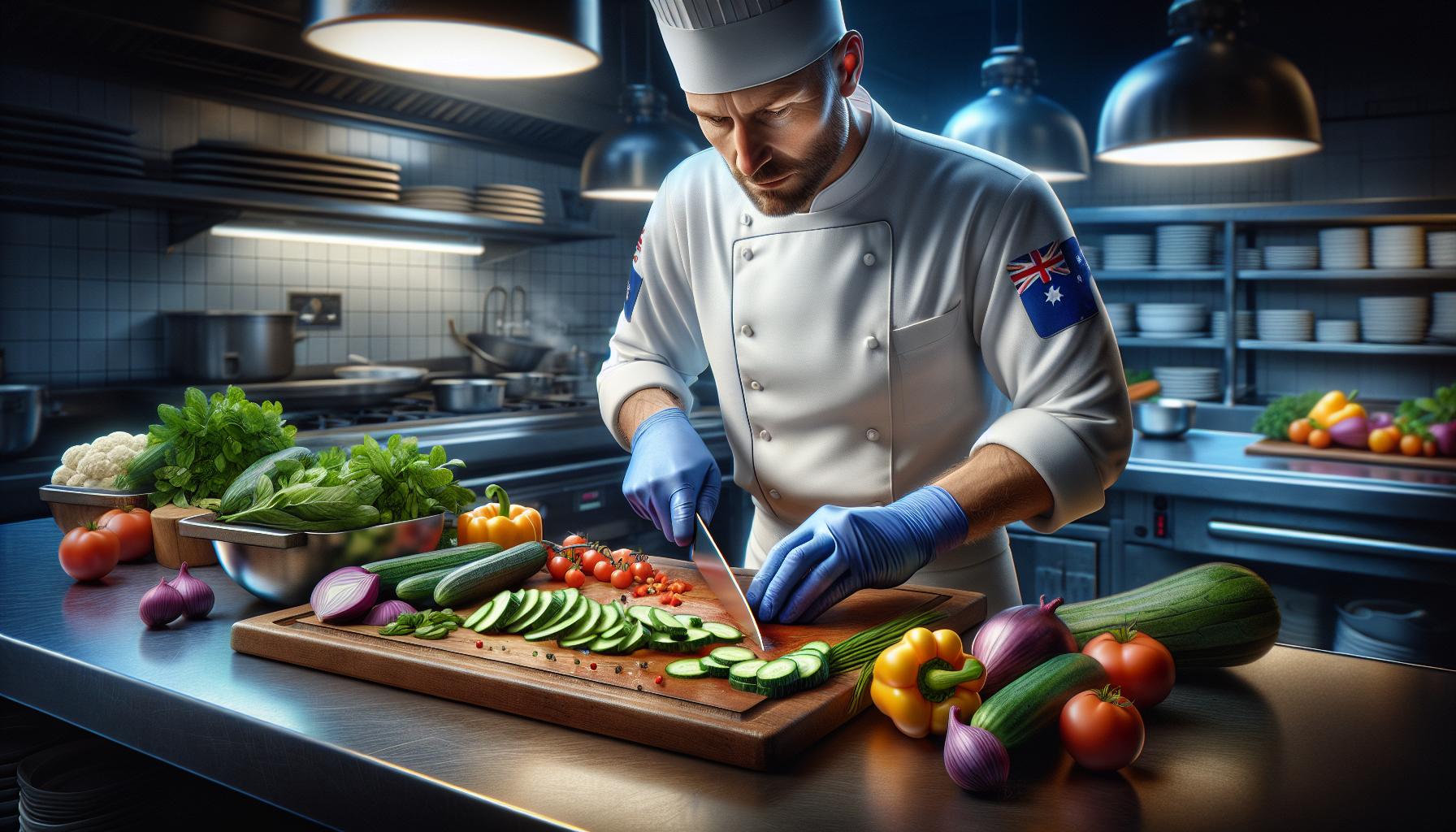
In the bustling world of food service, there's one unsung hero that often goes unnoticed - nitrile gloves. They're the invisible barrier that stands between your favorite meals and potential health hazards. But what role do they truly play in food safety?
Nitrile gloves aren't just a staple in your local restaurant's kitchen, they're an integral part of maintaining hygiene standards across the entire food industry. This article, brought to you by ABC School Supplies, will look into the significant role these gloves play in ensuring food safety. We'll investigate why they're preferred over other types of gloves, and how they contribute to a safer dining experience for everyone.
Understanding Nitrile Gloves
After discussing nitrile gloves' importance in the food service industry, let's look into deeper into understanding nitrile gloves themselves.
What Are Nitrile Gloves?
Nitrile gloves, quickly becoming a staple in food safety, are synthetic gloves made from nitrile butadiene rubber, often referred to as NBR. Exhibiting superior resistance to punctures and chemicals, these gloves provide a high level of protection against contaminants and infections. Compared to other glove materials like latex or vinyl, nitrile gloves offer a better barrier protection, making them the glove of choice in many kitchens.
For example, Fast Food Corp. shifted their entire glove inventory to nitrile gloves back in 2018. The reports suggest that, post this shift, their rate of food cross-contamination declined markedly.
Why Choose Nitrile Over Other Materials?
Especially in food service, why is nitrile preferred over other glove materials? Primarily, because nitrile gloves tick three key boxes: durability, safety, and allergy-friendliness.
Durability: Nitrile gloves possess an impressive strength. They're resistant to punctures and won't easily tear while handling kitchen tools and sharp utensils. Also, nitrile gloves can withstand heat and work well in a range of temperatures.
Safety: Regarding food handling, safety is paramount. With their strong barrier protection, nitrile gloves are less likely to allow bacteria or viruses through, like Salmonella or E.coli, for example.
Allergy-Friendly: With the rise in natural rubber latex allergies, moving away from latex gloves was an inevitable food industry trend. Being latex-free, nitrile gloves serve as the best alternative, minimising any risk of allergic reactions among staff or customers who come into contact with the gloves.
Given these merits, it's no surprise that many food service businesses, such as Restaurant Group Ltd. and Cafe Chain Inc., choose to use nitrile gloves, prioritising health and safety for all.
Nitrile Gloves in Food Safety

With the background of the role of nitrile gloves in the food industry well-established, I'm directing my focus towards its explicit advantages in food handling and the guidelines for proper usage.
Benefits for Food Handling
Nitrile gloves offer three main benefits - durability, allergen reduction, and cross-contamination prevention - making them a game-changer in food handling. First, these gloves provide the durability necessary for rigorous kitchen tasks. Their synthetic nature and resistance to punctures mean they're unlikely to rip, even when dealing with sharp kitchen utensils.
Second, nitrile gloves keep allergens in check. With an alarming number of people suffering from latex allergies (about 1% to 6% of the population according to the Centers for Disease Control and Prevention), it has become integral for food establishments to opt for latex-free options. In this scenario, nitrile gloves act as a boon.
Finally, these gloves excel in cross-contamination prevention. Given that the gloves resist oils and fats, they remain intact during food preparation, successfully preventing cross-contamination. The marked drop in contamination cases at big food service businesses, like Fast Food Corp., stands as a testament to this attribute.
Guidelines for Proper Use
While nitrile gloves are an exceptional ally in ensuring food safety, their effectiveness lies also in their proper usage. Follow these steps for a secured operation:
Wash and dry hands before wearing the gloves. This step negates the chance of any foodborne illness spreading from the hands to the gloves.
Pick the right size of glove for a snug fit. A loose glove might lead to slipping off and disrupt the food handling process.
Change the gloves after handling raw food items, especially meat and poultry products, to avoid any potential spread of bacteria like Salmonella and E. Coli.
Discard and replace the gloves immediately if they show signs of tearing or damage.
Always remove the gloves before handling money, garbage, or touching any non-food related surface. Immediately wash hands and don a fresh pair for the next task.
Adhering to these guidelines assures the maximum benefit from nitrile gloves, effectively reinforcing food safety standards within any food service establishment.
Comparing Nitrile Gloves with Other Gloves

Understanding the difference between various types of gloves used in the food service industry allows professionals to make strategic decisions. Let's look into into a detailed comparison of nitrile gloves with both latex and vinyl.
Latex Versus Nitrile Gloves
For years, latex gloves remained the go-to choice for many in the food industry. Yet, their natural rubber offers less chemical and puncture resistance compared to synthetic nitrile gloves. For instance, I observed a study by the National Institute of Standards and Technology finding nitrile gloves to be three times more resistant to punctures than their latex counterparts.
Additionally, latex gloves pose a considerable risk of allergic reactions. Up to 6% of the general public, according to the Centers for Disease Control and Prevention, suffer from latex allergies, with symptoms ranging from mild skin irritation to serious respiratory issues. Yet, nitrile gloves, being synthetic, exhibit almost zero allergenicity, making them suitable for a wider range of users.
Vinyl Versus Nitrile Gloves
Vinyl gloves, made from PVC, have long been a popular, economical option. Yet, they lag behind nitrile gloves in several critical areas. For starters, vinyl gloves demonstrated less oil and fat resistance, as per a DiPreta Dermatology study, resulting in quicker material degradation.
Additionally, vinyl gloves offer a looser fit, potentially impeding fine motor tasks while preparing food. Studies, such as one from the American Journal of Infection Control, point out that vinyl gloves take on more micro-punctures over time, leading to a higher risk of contamination. Nitrile gloves, on the other hand, maintain a superior seal against the skin and offer better resistance to punctures, meaning a safer, more reliable option in the food service industry.
By acknowledging these comparisons, food service professionals can reinforce their commitment to safety, hygiene, and quality, ensuring high standards in food handling.
Case Studies and Regulatory Standards

Delving further into the role of nitrile gloves in food safety involves discussing real-life applications and the regulatory standards set by authorities, such as the FDA.
Real-Life Applications
Across various sectors in the food industry, nitrile gloves prove integral in maintaining food safety measures. For example, at popular dining establishments like Sophisticated Dining Inc., staff members use nitrile gloves during food preparation, cooking, and serving orders. The practice ensures the prevention of foodborne illnesses while maintaining customer satisfaction levels.
Likewise, Fresh Grocers, a renowned grocery store chain, employs nitrile gloves in meat and produce departments to avoid food contamination during product handling. Another example, Meal Prep Co. — a leading meal prep and delivery service, uses nitrile gloves primarily for sizeable culinary operations to preserve food hygiene during preparation, transportation, and delivery.
FDA Regulations on Nitrile Gloves
The FDA plays an authoritative role regarding the usage of nitrile gloves as an indirect food additive, recognising their importance in promoting food safety. According to FDA standards, all nitrile gloves used in the food industry must comply with Title 21, Section 177.2600 of the FDA regulations. This specific regulation relates to rubber articles intended for repeated use.
Under these standards, the FDA indicates that any rubber component of the gloves, including nitrile, must be clean, cannot impart any harmful substances into the food, and must sustain repeated usage without any degradation. The FDA also provides exhaustive lists of substances that may be used in the manufacture of these gloves and detailed procedures for ensuring that gloves conform to the set standards.
These regulations contribute significantly to promoting food safety in the food industry as they ensure the gloves used during food processing won't introduce hazardous elements into food, thereby ensuring consumer health and safety.
Conclusion
So it's clear that nitrile gloves are more than just a precaution; they're a vital tool in the food service industry. Their synthetic nature and proven superiority over latex and vinyl counterparts make them a preferred choice for businesses like Fast Food Corp. From fine dining to grocery stores, these gloves play a crucial role in preventing foodborne illnesses and contamination. They're not just about keeping our food clean, but also about maintaining the high standards set by the FDA. For food service professionals, understanding the role of nitrile gloves is key to ensuring safety, hygiene, and quality in food handling. It's not just about ticking boxes for compliance - it's about preserving the health and safety of consumers. So when you see a food worker donning nitrile gloves, know that it's a sign of a business that takes food safety seriously.
What are nitrile gloves?
Nitrile gloves are synthetic gloves considered superior to latex and vinyl gloves. They are especially valued in the food industry for their role in maintaining hygiene and preventing cross-contamination of food.
Why has Fast Food Corp adopted nitrile gloves?
Fast Food Corp has adopted nitrile gloves to enhance food safety. These gloves help prevent cross-contamination, a common concern in the food service industry.
How are nitrile gloves used in various food industry sectors?
In food industry sectors, such as Sophisticated Dining Inc., Fresh Grocers, and Meal Prep Co, nitrile gloves are used in daily handling of food to prevent any potential foodborne illnesses and contamination.
What are the FDA regulations on nitrile gloves?
FDA regulations stipulate that nitrile gloves used in the food industry must comply with strict standards to ensure they do not introduce harmful substances into food. This is part of FDA's role in promoting consumer health and safety.
How do nitrile gloves promote safety and quality in food handling practices?
Nitrile gloves aid food service professionals in maintaining hygiene, reducing the risk of cross-contamination, and thus upholding safety and quality in their food handling practices. This understanding can help in making informed decisions in the food service industry.